- WhatsApp: +8615800837670
- EMAIL: info@kacexpo.com
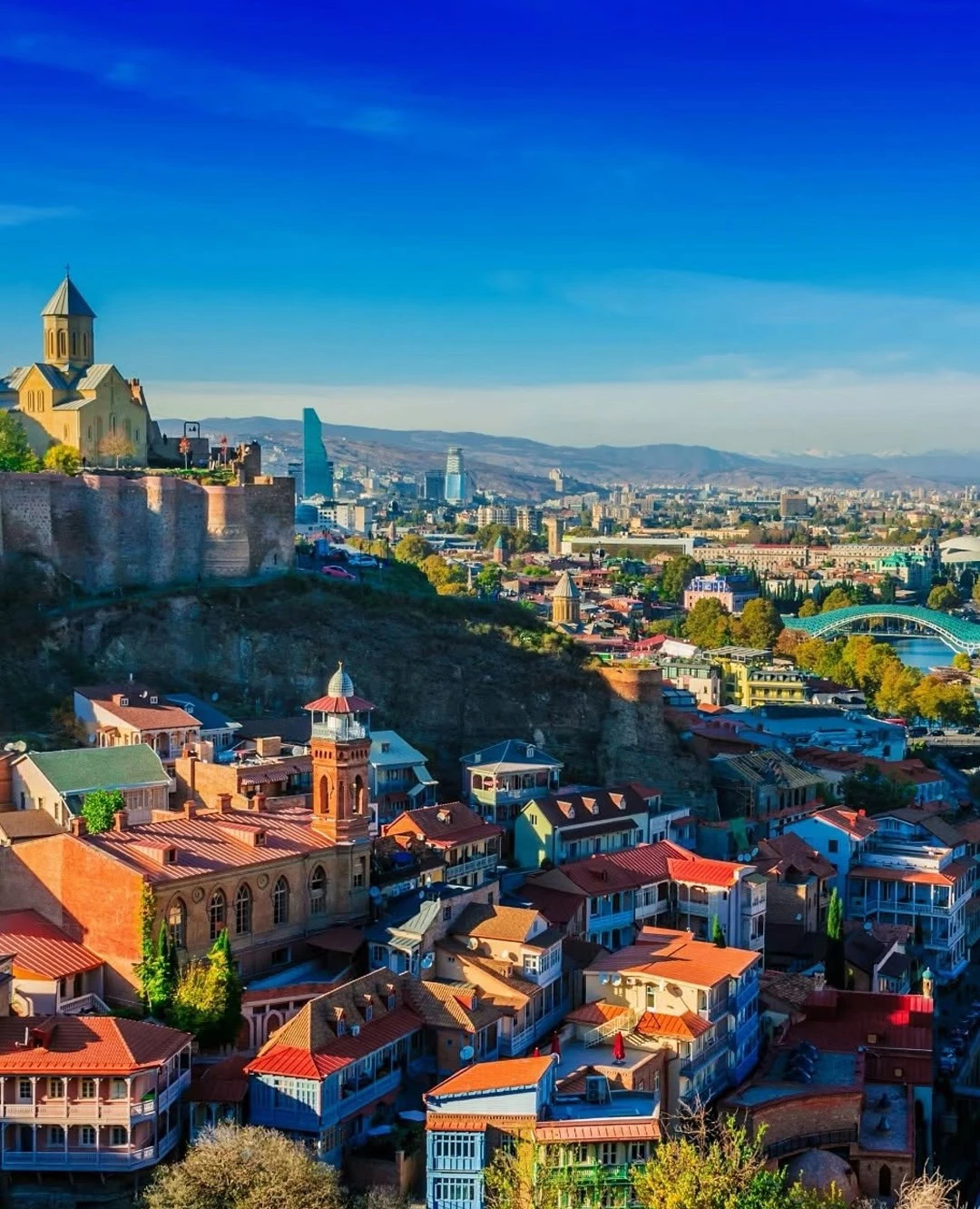
For the past two years, logistics professionals in Georgia have been caught in a complex mix of emotions — both excitement and anxiety.
Excitement, because this small nation on the Black Sea coast, at the heart of the Caucasus, is stepping onto the world stage as global geopolitics are redrawn. The “Middle Corridor” — running from China through Central Asia and the Caspian Sea to Europe — is becoming an indispensable alternative route for Eurasian trade. In 2025, container traffic along the Middle Corridor surged by 173%, while Georgia’s Black Sea ports of Poti and Batumi handled about 20% of the region’s container growth.
Anxiety, because Georgia’s logistics system simply cannot handle this flood of freight.
To be precise, 70% of the equipment is unusable.
This is no exaggeration, but a cold, hard picture painted by data: the number of rail freight wagons fell by 41% between 2015 and 2023, and the number of locomotives by 46%; 64% of freight wagons and 62% of locomotives are over 35 years old. On the highways, trucking companies still rely on paper documents and manual tracking. Most of the warehousing sector is stuck in a simple “storage” mindset, with virtually no digitalisation.
Railway: 70% of equipment is already out of service

Georgia’s strategic location is irreplaceable — straddling the Eurasian crossroads, it is a natural transit hub. But as transit demand explodes, the existing logistics network reveals a yawning gap: on one side, mountains of import/export goods; on the other, a decaying legacy system.
The gap becomes even clearer when compared to regional rivals. Azerbaijan has recently added 300 freight wagons and 50 new locomotives to its rail network, while Georgia’s rail infrastructure continues to deteriorate. The World Bank’s 2023 Logistics Performance Index is blunt: out of 138 countries, Georgia ranks only 108th for infrastructure — behind Turkey, Russia, and even Uzbekistan and Kazakhstan.
Warehousing: 70% is not available for rent
Warehousing is another bottleneck. The country’s total warehousing area is 2.2 million square metres, of which 90% is general storage and only 10% cold chain. Worse still, up to 67% of warehousing facilities are owner‑occupied — meaning commercial warehousing open to third parties is extremely scarce. Companies that want to operate in Georgia often have to buy or lease land and build their own warehouses, which sharply increases investment risk and upfront costs.
Third‑party logistics (3PL) in Georgia is still immature. According to Galt & Taggart, among large enterprises operating in Tbilisi, only about 15% are willing to outsource logistics services, while more than 53% flatly refuse. A‑grade modern warehouses can cost as much as US$8 per square metre, but given local facility quality and operating costs, that price is hard to justify.
III. Patchwork repairs won’t help – it needs a complete rebuild
Some may ask: can’t they just patch things up and upgrade step by step?
The answer lies in history. Georgia’s logistics system was born in the Soviet planned‑economy era, designed for closed internal trade — railways moved heavy industrial raw materials between republics, ports served limited Black Sea trade, and warehouses served only as “material reserves.” In today’s world of cross‑border e‑commerce, just‑in‑time inventory, and intermodal transport, the underlying code of that system is completely incompatible.
Upgrading means optimising within the same logic; rebuilding means changing the operating system.
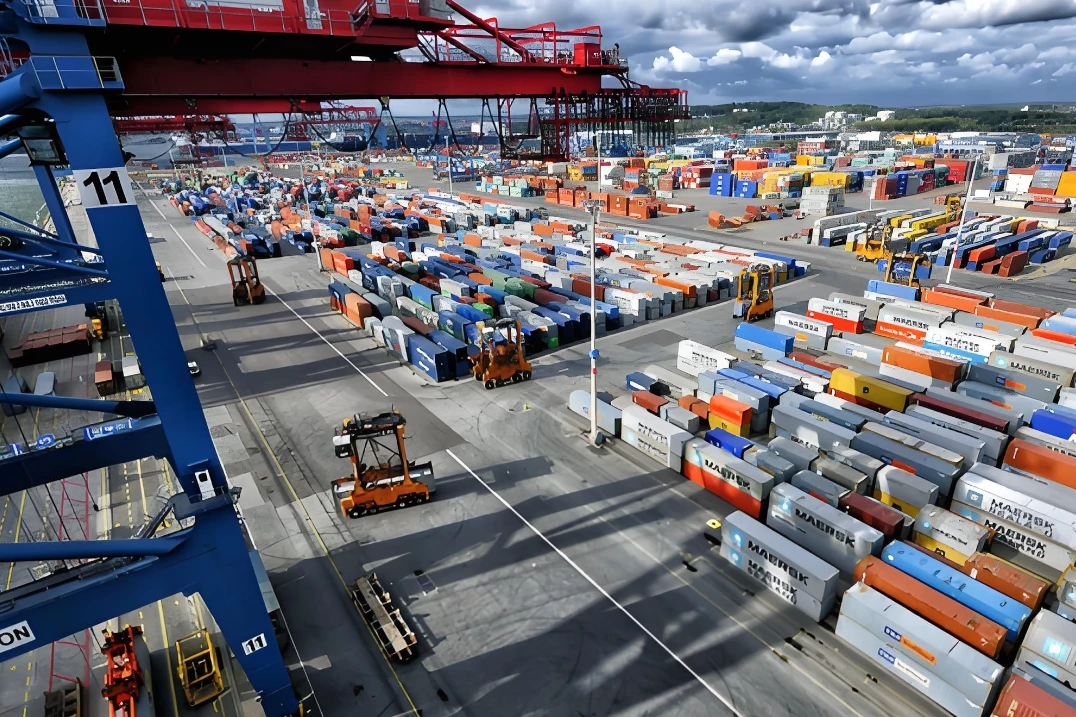
That is why governments and multinationals alike now agree on only one thing: it has to be rebuilt from scratch.
Deep‑sea port + intermodal hub + major players
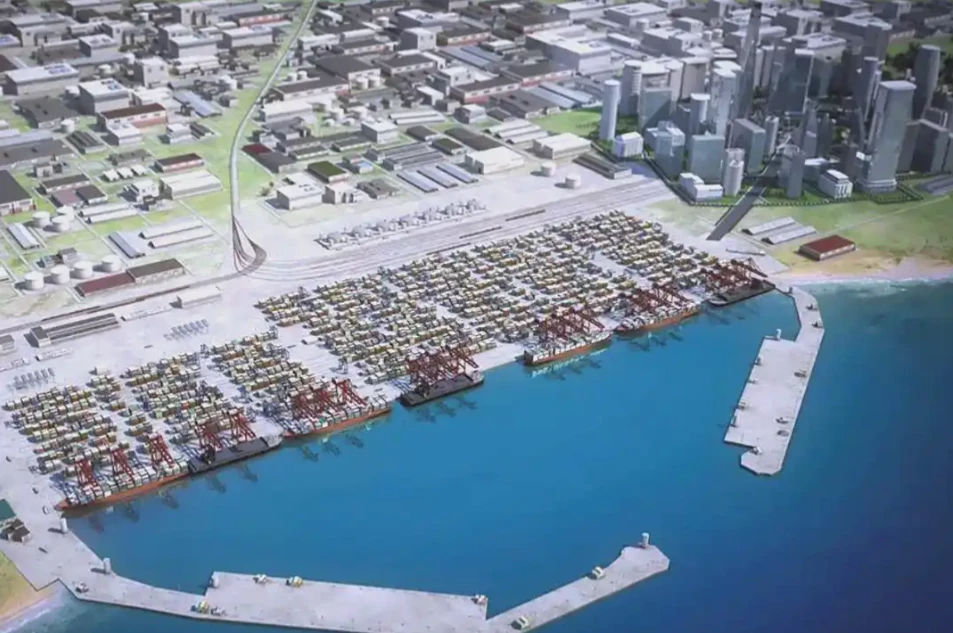
Anaklia Deep Sea Port – Georgia’s first deep‑sea port. Phase 1 is expected to become operational in 2029, handling 600,000 TEUs (about 7.8 million tonnes of cargo) per year. Once completed, it will be the only Georgian port capable of accommodating Panamax and post‑Panamax container vessels, allowing large ocean‑going ships to call directly and completely transforming the transhipment landscape.
Tbilisi Intermodal Hub – AD Ports Group launched Phase 1 in June 2025, calling it Georgia’s first modern bonded container and intermodal inland terminal. Phase 2 is expected to be completed in early 2026, doubling annual handling capacity to 200,000 TEUs and turning the facility into a full‑service import/export logistics centre for all of Central Asia.
Clustered investment by multinational logistics companies – Gebrüder Weiss has expanded its Tbilisi logistics terminal three times, with the latest investment of €11.5 million bringing the total area to 142,000 square metres. Pace Group is investing US$35 million to increase the annual throughput of its Poti New Terminal from 3 million to 5 million tonnes.
These are not small fixes. They are comprehensive rebuilds based on the premise that Georgia will become a cross‑border logistics hub for decades to come.
Two major opportunities for Chinese companies
Georgia’s logistics restart is not a regional sideshow; it is a major variable tied to the Belt and Road Initiative and the future of Eurasian trade.
First, a low‑threshold opportunity for cross‑border e‑commerce. There is a huge gap in the market for large‑scale warehousing service providers in Georgia. For Chinese brands looking to grow rapidly in Central Asia, the Caucasus, and Eastern Europe, setting up overseas warehousing and stock‑keeping facilities in Georgia in advance would allow them to take advantage of the country’s zero‑tariff agreements with many nations, significantly lowering logistics costs and shortening delivery times.
Second, a reference point for Chinese logistics and warehousing companies going global. The Hualing Group’s US$300 million special economic zone in Tbilisi has already proved the policy friendliness and investment viability of Georgia. Chinese logistics property developers, smart warehousing systems integrators, and cross‑border logistics service providers should pay close attention to this window of opportunity and position themselves early.
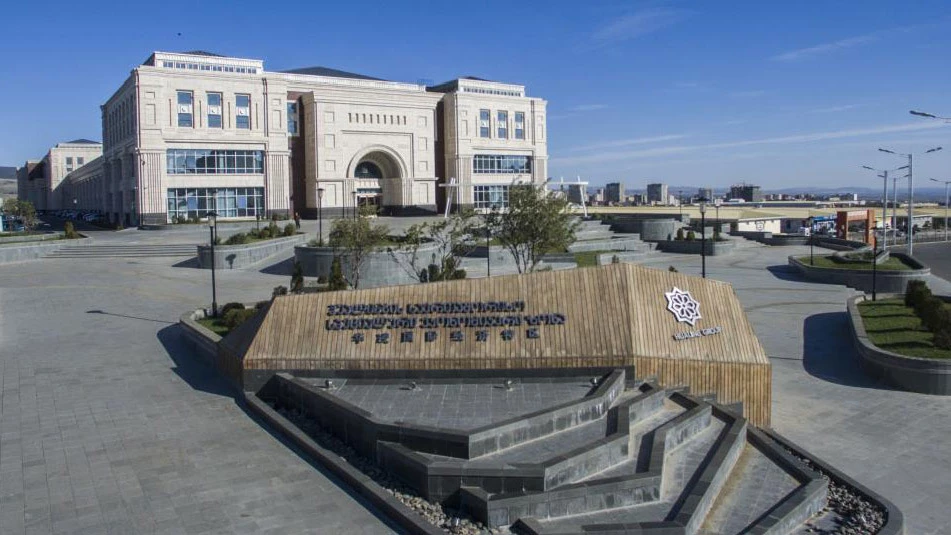
Why visit the Smart Life Expo Georgia?

For Chinese logistics and warehousing companies, this “rebuilding” process is both a window of opportunity and a test of local knowledge. You cannot judge Poti’s warehousing gap from thousands of miles away, nor can you understand Tbilisi’s customs pain points from second‑hand reports.
Only by going there and talking face‑to‑face can you truly grasp the pace, the challenges, and the commercial opportunities of the rebuild.
This exhibition is not just a social gathering; it is a deep industrial matchmaking event. For Chinese exhibitors, it means the critical leap from “hearing stories” to “entering the game.”
Those who win the starting line are already on their way
The blueprint for Georgia’s logistics over the next five years is not designed based on the past or the present – it is designed for tomorrow. If you want to claim a share of this pie, the only thing to do is to identify the gaps first and seize the opportunity. Not everyone will be a winner, but those bold enough to move proactively in the wave of “rebuilding” will at least have a head start.
In 2026, in Tbilisi, we invite you to join us and witness the “rebuilding” of Georgia’s logistics.